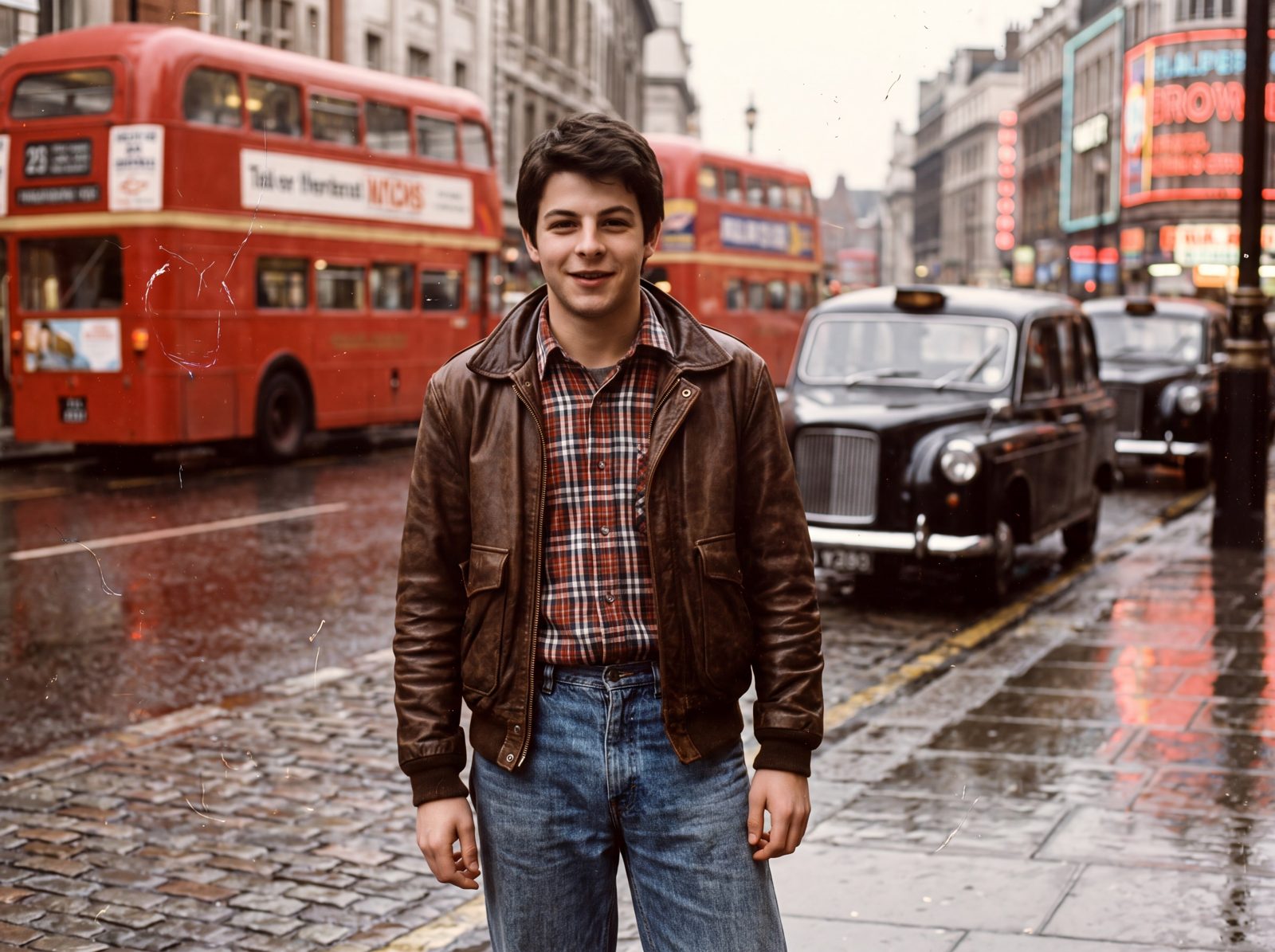
1980–1984
London
Film school years; streets, clubs, black-and-white study.
About
Egemen Mustafa Şener is a fashion photographer born in Prizren on 10 June 1962. Along the Los Angeles — Zagreb axis he has given late-twentieth-century fashion photography a documentary depth: haute couture held against human fragility.

He grew up in a home where Turkish, Croatian, and Albanian shared the table — an early education in how cultures braid. A Zenit-E camera arrived as a fifteenth-birthday gift and became both escape and record.
London Film School and the New York School of Visual Arts shaped the craft. Editorial years followed — American minimalism fused with Balkan melancholy.
The 1996 exhibition Fragments of Home braided couture aesthetics with the gravity of displacement; proceeds supported child refugees. Later practice moved fashion into industrial ruins and shipyards — dramatic natural light instead of polite studio glow.
Today the practice moves between private portraits, editorial stories and commissioned work. The personal archive and timeline follow below; bookings start from the Contact page.
Approach
We do not only capture a moment; we shape the emotion, character and atmosphere behind it. Knowing where light should rest and where shadow begins is the foundation of every commission.
Life
Frames from Egemen Mustafa Şener’s path.
1980–1984
Film school years; streets, clubs, black-and-white study.
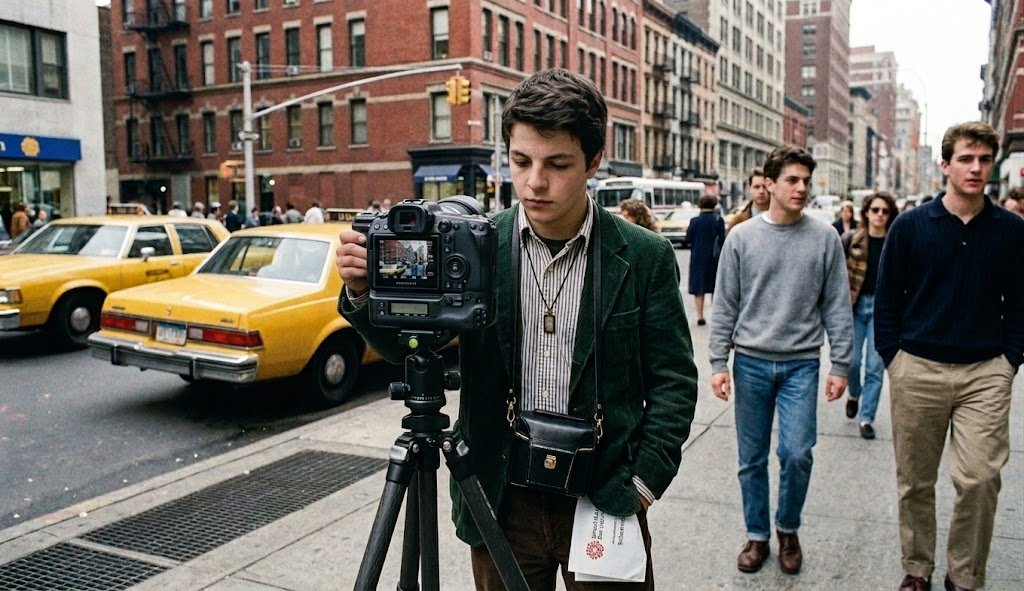
1986–
High-concept editorial series.

1996
Exhibition bridging haute couture with documentary gravity.

Ongoing
American minimalism meeting Balkan melancholy.

Ongoing
Fabric, body, and quiet drama outside the soft studio myth.
Today
The living axis of the practice.

2026
Backstage and runway presence at New York Fashion Week.

Recent
Speaking at Los Angeles Center of Photography.

Recent
Front row and event presence.

Recent
In the Warhol rooms.
Timeline
Fragments of Home (1996). Conceptual shift toward industrial locations and severe natural light.
High-concept covers and editorial series.
Punk and New Romantic underground fashion — black-and-white records of clubs, streets, and youth culture.